By Dr. Winnie Chege, Clinical Psychologist and Founder of REST Psychology
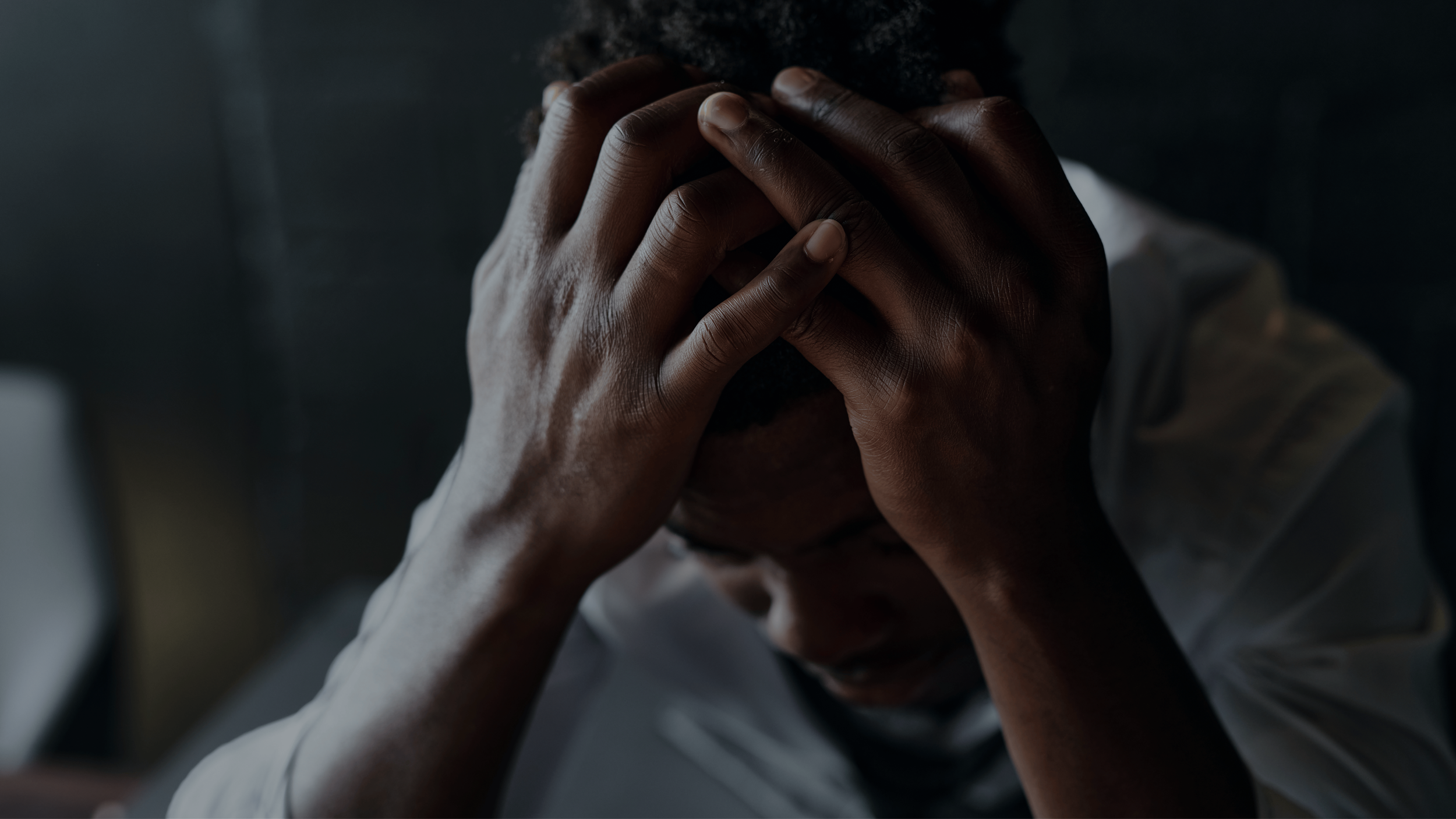
By the time a difficult conversation happens, you may have rehearsed it a dozen times. You have prepared your answers, imagined the worst and woken with tight shoulders.
The conversation goes reasonably well. Yet before long, your mind has moved on to something else to worry about.
Anxiety can be an understandable response to uncertainty. It deserves attention when worry, physical tension or the effort to feel safe starts taking over.
What is anxiety?
Anxiety is a feeling of unease, apprehension or fear about something that might happen. It can affect your thoughts, body and behaviour.
Worry is a thinking process: repeatedly going over what might go wrong or how you would cope.
For example, before an interview, worry might sound like, “What if I can’t answer their questions?” Anxiety might involve feeling on edge, a racing heart or tense muscles.
They often occur together and can reinforce each other. You can also feel anxious without being able to identify a particular worry.
Some anxiety helps you prepare for challenges and pay attention to potential problems. But it can become persistent, difficult to manage or more intense than the situation warrants.
Feeling anxious does not, by itself, mean you have an anxiety disorder. A professional assessment considers your symptoms, circumstances and the impact on your daily life.
What can anxiety look like?
Anxiety does not always feel like worry or look like panic. You might notice:
| Where you notice it | What it might involve |
|---|---|
| Thoughts | Repeated “what if” questions, expecting the worst or struggling to concentrate. |
| Emotions | Feeling on edge, apprehensive, irritable or unable to settle. |
| Body | Muscle tension, a racing heart, nausea, sweating or disrupted sleep. |
| Behaviour | Avoiding situations, repeatedly checking, seeking reassurance or preparing far beyond what a task requires. |
You may still meet deadlines, look after your family and keep appointments while feeling increasingly tense or exhausted. The effort required to keep going matters too.
These signs are not a diagnostic checklist, and physical symptoms can have other causes. Speak with a GP about new, persistent or unexplained symptoms.
Why do I feel anxious?
Anxiety is shaped by a combination of biological influences, what you have learned, your experiences and your current circumstances.
Work pressure, relationship uncertainty, financial strain, illness, loss and caring responsibilities can all contribute. Past experiences may also influence what feels threatening and how confident you feel about coping.
Sometimes the concern is a realistic response to difficult circumstances. Sometimes your mind predicts an outcome that is less likely than it feels. Both can be happening together.
This is why understanding anxiety involves looking at what you are facing as well as how you respond to it.
How can anxiety keep itself going?
Imagine you are worried about speaking in a team meeting. You stay quiet and ask a colleague to raise your point. The relief makes it tempting to do the same next time.
You also miss a chance to discover whether speaking would have gone as badly as you expected, or whether you could have managed the discomfort.
Repeated checking, reassurance-seeking or extensive rehearsal can work in a similar way. When used to prevent a feared outcome or minimise its consequences, they can function as safety behaviours. Although these actions can feel helpful at the time, relying on them may maintain anxiety by limiting opportunities to discover that the outcome is less likely than feared or that you could cope.
What can help?
A useful starting point is to consider both your circumstances and what you do when anxiety rises.
Address practical demands. An unrealistic workload, financial difficulty or lack of support may need practical changes alongside psychological support.
Notice what brings only brief relief. Repeatedly rereading an email or asking the same question may settle anxiety temporarily without resolving the concern.
Support your wellbeing. Regular meals, movement, opportunities for sleep and talking with someone you trust can help. Calming breathing may ease physical tension for some people.
Where a situation is safe enough, gradually approaching something you have been avoiding can also help. If this feels overwhelming, a psychologist can help you plan manageable steps.
When should I seek support?
Consider speaking with a GP or psychologist when:
worry is frequent, difficult to shift or taking up increasing amounts of time
anxiety affects sleep, concentration, relationships or enjoyment
fear increasingly determines what you do, postpone or avoid
your efforts to manage it are becoming exhausting.
You do not have to wait until you can no longer function.
An assessment can help clarify what is happening and what support may be appropriate. It considers the distress you experience, including difficulties that other people may not see.
How can therapy help with anxiety?
Therapy can help you understand what keeps anxiety going and develop more flexible ways of responding to worry, uncertainty and difficult feelings.
Approaches may include cognitive behavioural therapy (CBT) and acceptance and commitment therapy (ACT).
At REST Clinic, your psychologist recommends an approach based on your needs, preferences and the evidence relevant to your difficulties. The focus and pace are agreed with you, and progress is reviewed as therapy develops.
Where could you begin?
REST Clinic provides online therapy for adults. You do not need a formal diagnosis or a GP referral to begin.
Book a 15-minute Complimentary Call to discuss what you are looking for and whether REST may be an appropriate fit.
Research referenced
Arch, J. J., Finkelstein, L. B., & Nealis, M. S. (2025). Acceptance and commitment therapy (ACT) for anxiety disorders. Psychiatric Clinics of North America, 48(3), 443–456.
Gray, E., Beierl, E. T., & Clark, D. M. (2019). Sub-types of safety behaviours and their effects on social anxiety disorder. PLOS ONE, 14(10), Article e0223165.
Penninx, B. W. J. H., Pine, D. S., Holmes, E. A., & Reif, A. (2021). Anxiety disorders. The Lancet, 397(10277), 914–927.
